
Short answer
A hybrid inverter. It runs the panels, the battery and the grid from one unit, even if you are only fitting panels today. The battery can be added later without having to replace the inverter.
If you choose an ordinary inverter now, adding a battery later means buying a second unit you would not have needed. That is the most expensive decision you can make at the start of a project.
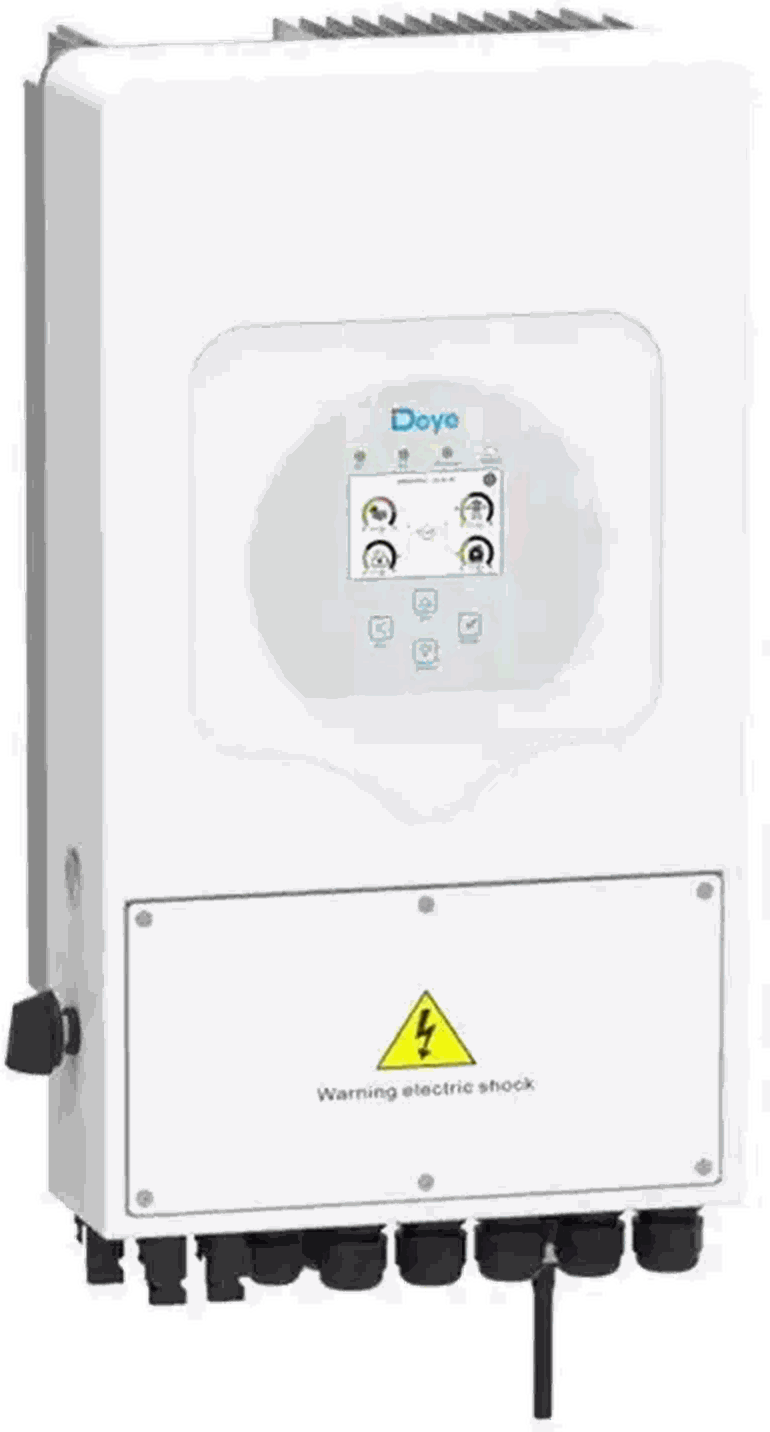

Our inverters come from Deye: a listed manufacturer with more than 600,000 m² of production halls and a European product line that meets the strictest grid standards. The inverter is the heart of your installation — that is not where we choose on price.
One unit for panels, battery and grid. AC coupling also lets an existing system be extended.
Track output, usage and battery charge in real time on your phone — EV charger included. We watch it too and spot any drop.
Awarded top brand for inverters and storage across key global markets.
TÜV Rheinland certifications and CEI 0-21 via Kiwa. A listed manufacturer still around in ten years to honour your warranty.

Not every home calls for the same inverter. LuxPowerTek builds hybrid inverters designed around storage: their units also couple over AC, which lets a home that already has solar panels add a battery later without rebuilding the existing installation. We choose between Deye and LuxPowerTek case by case — not the other way round.
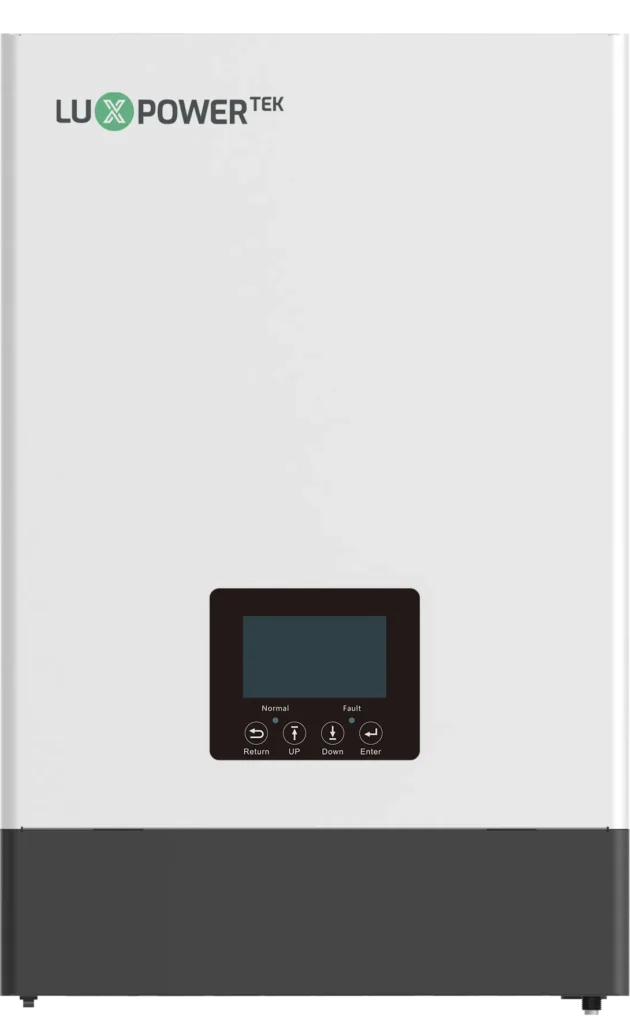
The hybrid LXP range drives solar panels, battery and grid from a single unit, with storage as the starting point rather than an afterthought.
AC coupling means your existing solar installation can stay where it is. You add a battery without replacing the inverter already on the wall.
The monitoring platform shows generation, usage and battery level. We watch along and spot a drop-off before you do.
The manufacturer reports more than 300,000 systems installed worldwide, with international grid certificates for the European market.
No renders, no catalogue shots: these are installations we fitted ourselves.
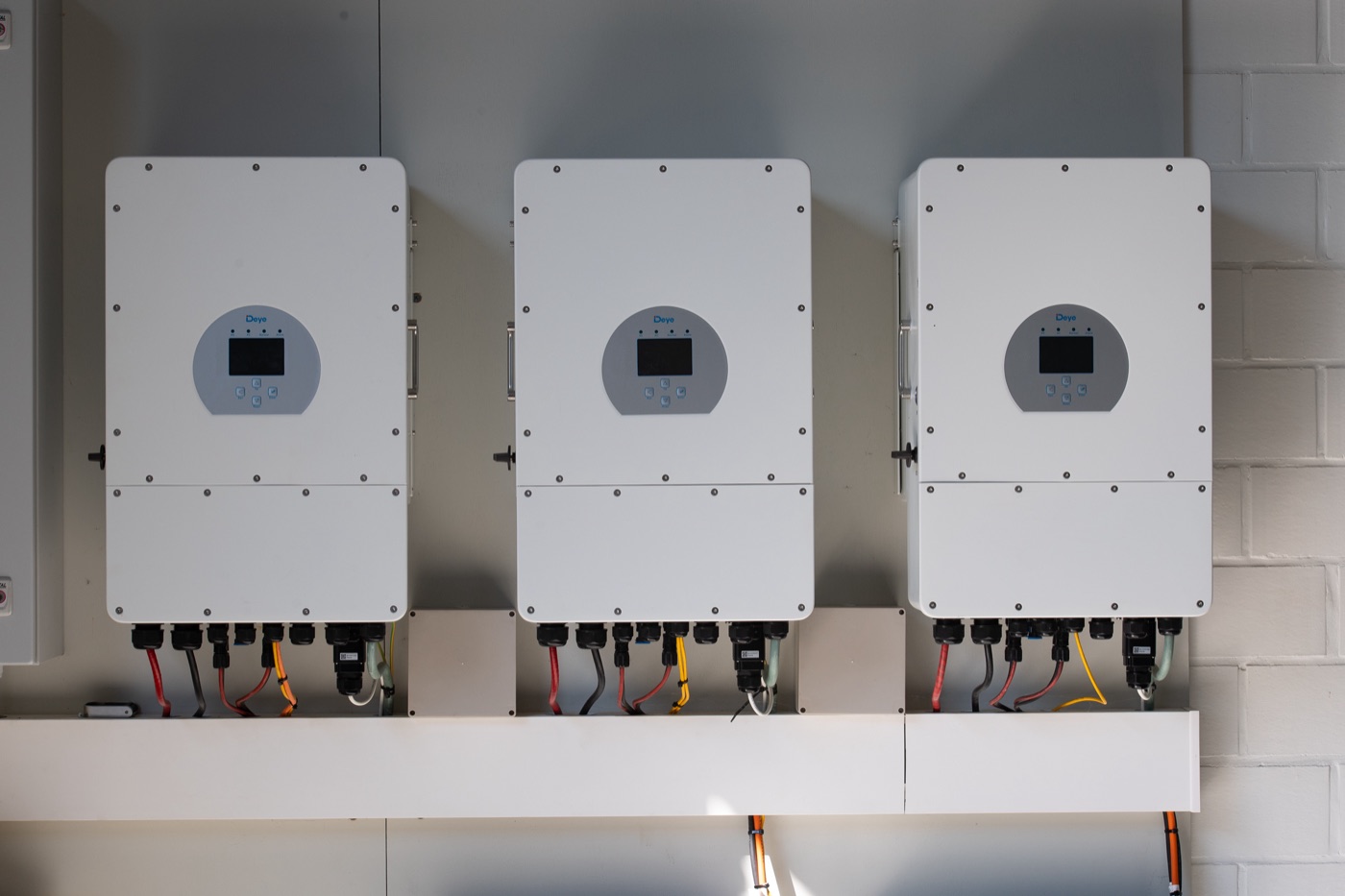
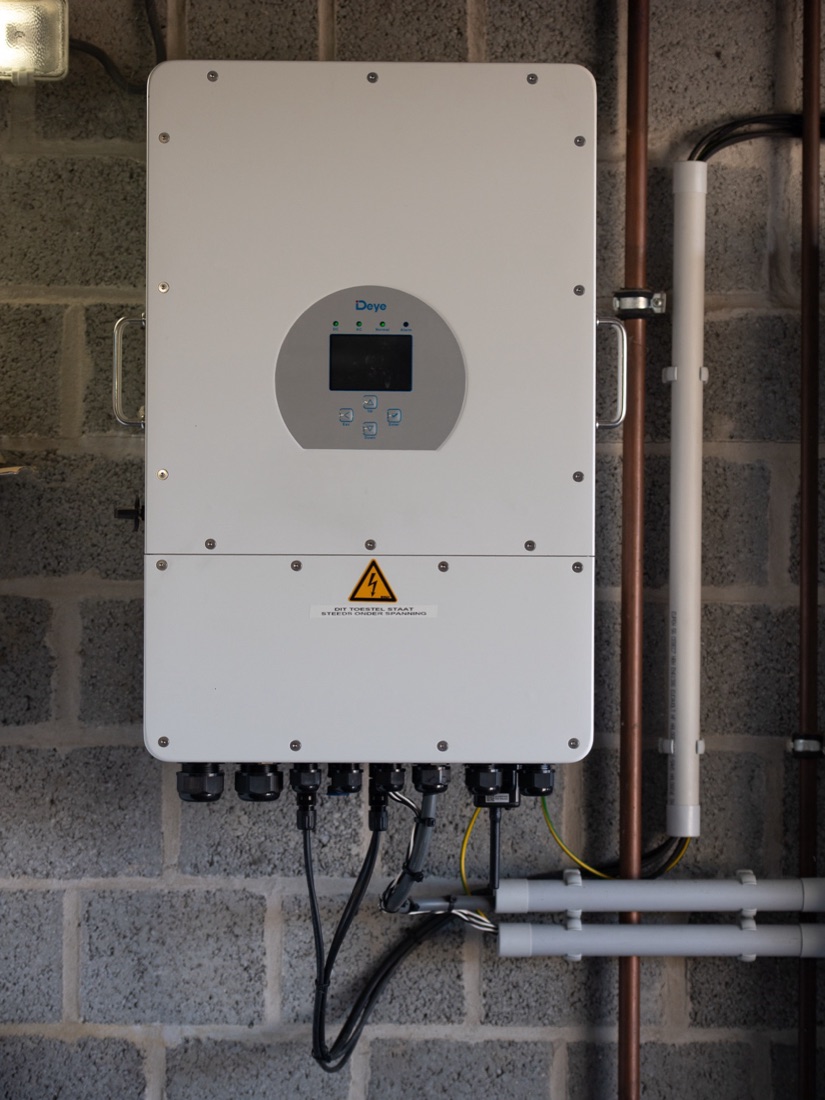
Your panels make a kind of electricity that no appliance in your house can use. The inverter converts it into the electricity that comes out of your socket. Everything your roof generates therefore passes through it.
Think of it as the engine of a car: the panels are the fuel, but the engine decides what you actually do with it. That is why this is the part where a cheap choice makes itself felt the longest.
A hybrid inverter can do one extra thing: it can also run a battery. You do not have to buy that battery today. You are only keeping the door open.
If you fit an ordinary inverter now and decide you want storage in three years' time, a second unit gets added to your board. That is money you need not have spent. This is why we always ask during the site inspection whether a battery is ever in your plans — even when the answer is “maybe”.
| Your plan | What we fit |
|---|---|
| Panels only, battery perhaps later | Hybrid inverter. The battery can be added later without replacing the unit. |
| Panels and battery together | Hybrid inverter running both from day one, with a single monitoring view for the whole system. |
| Extending an existing installation | AC coupling, so your current panels can stay where they are. |
| Electric car on the drive | Inverter and charge point working together, so charging shifts to the sunny hours. |
Cheaper inverters exist. The problem is not the first day, it is year eight: a brand that has left the market no longer honours a warranty and no longer supplies parts. You are then left with a unit on your wall that nobody can repair.
We work with a listed manufacturer with a European product line, TÜV Rheinland certificates and CEI 0-21 through Kiwa. Not because certificates sound impressive, but because we are the ones who come back if something is wrong.
A chimney, a roof window or the neighbour's tree: with partial shade one panel can drag the rest of its string down with it. With per-panel control that does not happen.
Whether you need that depends on your roof and on the time of day that shade falls. We assess it on site rather than selling it as standard. More on this on the solar panels page.
A hybrid inverter runs panels and battery from a single unit. If you are only fitting panels today, the battery can be added later without replacing the inverter.
Anyone who overlooks this buys, when the battery comes, a second unit that would not have been needed.
We work with Deye inverters: widely available in Europe, with solid monitoring and compatible with the battery systems we fit.
Warranty: [TO BE CONFIRMED] years.
With partial shade, per-panel control stops a shaded module from dragging the rest of the string down. Whether you need it depends on your roof; we look at it on site.
Yes. You follow output, usage and battery charge in real time on your phone through Deye Cloud. We watch the same monitoring, so a drop stands out to us instead of going unnoticed for months.
An inverter is mounted on a wall in the garage, utility room or plant room, as close as possible to the meter cupboard. It needs ventilation and does not like full sun.
We decide the exact position at your home during the site inspection, together with the cable route and the position of any battery.
An inverter is usually the first part due for replacement after the panels — that is normal and part of the life of an installation.
The warranty period we give on your project, and whether it can be extended: [TO BE CONFIRMED]
Your installation then stops generating until it is repaired or replaced — which is why we follow the monitoring rather than waiting for your call.
Our response time and how we arrange a replacement unit: [TO BE CONFIRMED]
Tell us a little about your home and what you're after. We'll come out, take a look, and send a clear, no-pressure quote.
+32 495 30 38 99
koen.dewolf@alu-dewolf.be
Elzelestraat 138, 9600 Ronse
Keistraat 3, 9681 Maarkedal, Belgium
By appointment only